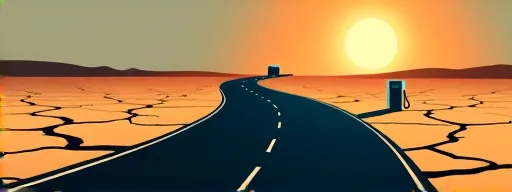
Bolivia on the brink as fuel shortages and protests push Paz towards state of exception
Bolivia is sliding deeper into crisis as a five-week wave of protests, marked by fuel shortages and violent clashes between police and demonstrators, threatens to overwhelm the government of President Rodrigo Paz. In La Paz and El Alto, miles of vehicles have been stranded in queues stretching for kilometres outside petrol stations, with drivers sleeping in their cars as they await fuel deliveries that have been disrupted by six weeks of road blockades. The shortages have paralysed transport and commerce, compounding the anger of workers, peasants, miners, and teachers who have taken to the streets demanding Paz’s resignation.
On Wednesday, anti-riot police clashed with protesters attempting to reach Murillo Square, the seat of government in La Paz. Demonstrators erected barricades using rubbish containers and set fires, while police responded with tear gas. Protesters hurled stones and low-grade dynamite cartridges, and at least five people were detained. The unrest has been building since Paz, a centre-right leader, took office vowing to roll back two decades of socialist rule, pushing reforms that his opponents say threaten labour rights and social welfare. The protests have now entered their fifth week, with no sign of de-escalation.
Viewed from Washington, the crisis is a test for democratic stability in a region where polarisation is deepening. Analysts in London note that Paz’s consideration of a state of exception—which would allow the military to be deployed to restore order—risks inflaming tensions further, echoing patterns seen elsewhere in Latin America when governments resort to emergency powers. The fuel shortage, exacerbated by the blockades, has become a visceral symbol of state incapacity, eroding public confidence in Paz’s ability to govern.
The coming days will be critical. If Paz decrees a state of exception, he may temporarily contain the protests but at the cost of alienating moderate supporters and inviting international scrutiny. Conversely, failure to act could see the unrest spiral into a broader insurrection. For now, Bolivia remains trapped between a government unwilling to compromise and a population that has run out of patience—and petrol.
Broaden your view
US Senate votes 86-11 to advance Russia sanctions bill authorising 100% tariffs on top energy buyers
2 languages · 40 outlets
From Economy & MarketsUS imposes 15% tariff and price floors on polysilicon to counter China’s supply-chain dominance
4 languages · 16 outlets
From TechnologyRussian ministry proposes SMS ban for children’s SIM cards, risking social media access
1 language · 13 outlets