Sign in
Edition of 16:00 CETFriday, August 7, 2026
320 outlets · 17 languages997 briefings today
Wednesday, May 20, 2026

Chinese Tankers Break Strait of Hormuz Logjam as US-Iran Deal Rumours Swirl

Two supertankers carrying four million barrels of crude exit the Strait of Hormuz after two months, as diplomatic signals point to a possible end to the war.

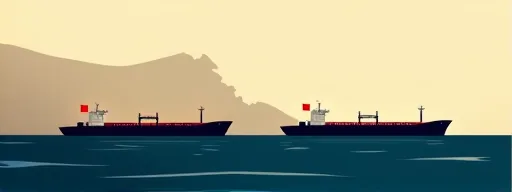
Two Chinese supertankers laden with four million barrels of Middle Eastern crude oil slipped through the Strait of Hormuz on Wednesday, ending a two-month wait in the Persian Gulf that had become a potent symbol of the war’s disruption to global energy flows. The vessels – the Yuan Gui Yang, chartered by Unipec, and the Ocean Lily, owned by Sinochem – loaded Iraqi Basrah and Qatari crude before the outbreak of hostilities on 28 February, and have since been idling under the shadow of Iranian restrictions. Their departure comes as US President Donald Trump claimed on Tuesday that a deal to end the American-Israeli campaign against Iran was imminent, a remark that has fuelled speculation in oil markets of a broader easing of tensions.

Viewed from Tehran, the exit of the tankers represents a cautious relaxation of the pressure Iran has exerted on shipping since the war began. Iranian authorities have required all vessels to use a northern transit route through the strait, a demand that effectively held up dozens of tankers and raised insurance premiums. The two Chinese ships are among a handful that have now completed the passage; according to monitoring data from LSEG and Kpler, only six supertankers have made the journey to Asia in May. The Yuan Gui Yang, which loaded two million barrels of Basrah crude on 27 February, is now expected to discharge at Shuidong port in southern China on 4 June, having waited more than three months for clearance.

The scale of the movement, however, extends beyond the Chinese pair. Three supertankers in total are believed to have attempted the transit on Wednesday, carrying an aggregate six million barrels of oil – the largest single-day volume since the conflict began, according to analysts tracking the data. Two of the ships are headed to China with Iraqi crude; the third, carrying Kuwaiti oil, is destined for South Korea. The simultaneous passage suggests that diplomatic backchannels, possibly involving Beijing and Seoul, may have secured temporary assurances from Iran to allow essential shipments. Meanwhile, the United States has stepped up its own interdiction efforts, seizing an Iranian-linked tanker in the Indian Ocean, a move that underscores the continued volatility of the region.

For global markets, the easing of the Hormuz logjam offers a modest but timely respite. Oil prices had priced in a sustained disruption, and the release of stored cargoes could help stabilise supply chains that have been stretched by the war. Analysts in London caution, however, that the departure of two tankers does not signal a normalisation of shipping through the strait. Iran retains the ability to reimpose restrictions, and the overall number of vessels still waiting in the Gulf remains significant. The breakthrough, if it can be called that, is fragile and contingent on the trajectory of US-Iran talks.

Should a formal ceasefire or agreement materialise in the coming weeks, as President Trump’s remarks hint, a wave of pent-up exports could follow, reshaping the oil market’s near-term outlook. But for now, the sight of the Yuan Gui Yang and Ocean Lily steaming out of the strait is a reminder that even the smallest cracks in the blockade carry disproportionate weight – and that the flow of oil remains the most sensitive barometer of the conflict’s progress. The next few days, with more tankers scheduled to attempt the passage, will test whether this is a genuine thaw or a tactical lull.

Divergence — who tells it how
11%Low
4 blocs · positions from 0.00 to +0.30
CriticalFavorable
ATLRUSSEAIRN
Divergence between press blocs
Atlantic / Anglosphere press+0.20neutral
Russian & CIS press0.00neutral
Southeast Asian press+0.10neutral
Iranian & allied press+0.30aligned
Atlantic / Anglosphere press+0.20

The exit of two Chinese supertankers from the Strait of Hormuz is reported with emphasis on cargo data and the long wait in the Gulf. The tone is factual, noting these are among few vessels in transit without speculating on political implications.

PragmatismDetachment
Russian & CIS press0.00

Russian media highlight that three supertankers are about to cross the Strait of Hormuz with the largest daily crude volume since the conflict began, stressing economic resilience and strategic importance for Asian supply.

PragmatismDetachment
Southeast Asian press+0.10

Indonesian media portray the tanker departure as a sign of escalating US-Iran tensions or an imminent deal. The focus is on the geopolitical standoff and China's strategic patience, with a more dramatic tone.

AlarmSkepticism
Iranian & allied press+0.30

Iranian-aligned media report the news neutrally, echoing Reuters data, but imply that the situation is normalizing after a period of tension. The tone is calm and fact-oriented.

DetachmentPragmatism
Breaking
Gold leaps to seven-week high as US payrolls unexpectedly contract·US Appeals Court Blocks Trump’s White House Ballroom, Requires Congressional Approval·Weekend horoscopes across continents urge rest, home, and emotional reconnection·Mohamed Salah completes surprise move to Trabzonspor on two-year deal·FSB raids Moscow City crypto exchanges, arrests over 20 in money-laundering crackdown·A Rose Window and a Dove: Pope Leo XIV’s French Visit to Include Private Meeting with Abuse Victims·Mexico reports 33 cyclosporiasis cases, probes salmonella in jalapeños·Nice court suspends burkini ban on French Riviera, citing fundamental freedoms·Gold leaps to seven-week high as US payrolls unexpectedly contract·US Appeals Court Blocks Trump’s White House Ballroom, Requires Congressional Approval·Weekend horoscopes across continents urge rest, home, and emotional reconnection·Mohamed Salah completes surprise move to Trabzonspor on two-year deal·FSB raids Moscow City crypto exchanges, arrests over 20 in money-laundering crackdown·A Rose Window and a Dove: Pope Leo XIV’s French Visit to Include Private Meeting with Abuse Victims·Mexico reports 33 cyclosporiasis cases, probes salmonella in jalapeños·Nice court suspends burkini ban on French Riviera, citing fundamental freedoms·
Upd. 04:21 PM4 languages · 5 outlets
5 outlets|4 languages|3 min read
Wednesday, May 20, 2026

Chinese Tankers Break Strait of Hormuz Logjam as US-Iran Deal Rumours Swirl

Two supertankers carrying four million barrels of crude exit the Strait of Hormuz after two months, as diplomatic signals point to a possible end to the war.

Two Chinese supertankers laden with four million barrels of Middle Eastern crude oil slipped through the Strait of Hormuz on Wednesday, ending a two-month wait in the Persian Gulf that had become a potent symbol of the war’s disruption to global energy flows. The vessels – the Yuan Gui Yang, chartered by Unipec, and the Ocean Lily, owned by Sinochem – loaded Iraqi Basrah and Qatari crude before the outbreak of hostilities on 28 February, and have since been idling under the shadow of Iranian restrictions. Their departure comes as US President Donald Trump claimed on Tuesday that a deal to end the American-Israeli campaign against Iran was imminent, a remark that has fuelled speculation in oil markets of a broader easing of tensions.

Viewed from Tehran, the exit of the tankers represents a cautious relaxation of the pressure Iran has exerted on shipping since the war began. Iranian authorities have required all vessels to use a northern transit route through the strait, a demand that effectively held up dozens of tankers and raised insurance premiums. The two Chinese ships are among a handful that have now completed the passage; according to monitoring data from LSEG and Kpler, only six supertankers have made the journey to Asia in May. The Yuan Gui Yang, which loaded two million barrels of Basrah crude on 27 February, is now expected to discharge at Shuidong port in southern China on 4 June, having waited more than three months for clearance.

The scale of the movement, however, extends beyond the Chinese pair. Three supertankers in total are believed to have attempted the transit on Wednesday, carrying an aggregate six million barrels of oil – the largest single-day volume since the conflict began, according to analysts tracking the data. Two of the ships are headed to China with Iraqi crude; the third, carrying Kuwaiti oil, is destined for South Korea. The simultaneous passage suggests that diplomatic backchannels, possibly involving Beijing and Seoul, may have secured temporary assurances from Iran to allow essential shipments. Meanwhile, the United States has stepped up its own interdiction efforts, seizing an Iranian-linked tanker in the Indian Ocean, a move that underscores the continued volatility of the region.

For global markets, the easing of the Hormuz logjam offers a modest but timely respite. Oil prices had priced in a sustained disruption, and the release of stored cargoes could help stabilise supply chains that have been stretched by the war. Analysts in London caution, however, that the departure of two tankers does not signal a normalisation of shipping through the strait. Iran retains the ability to reimpose restrictions, and the overall number of vessels still waiting in the Gulf remains significant. The breakthrough, if it can be called that, is fragile and contingent on the trajectory of US-Iran talks.

Should a formal ceasefire or agreement materialise in the coming weeks, as President Trump’s remarks hint, a wave of pent-up exports could follow, reshaping the oil market’s near-term outlook. But for now, the sight of the Yuan Gui Yang and Ocean Lily steaming out of the strait is a reminder that even the smallest cracks in the blockade carry disproportionate weight – and that the flow of oil remains the most sensitive barometer of the conflict’s progress. The next few days, with more tankers scheduled to attempt the passage, will test whether this is a genuine thaw or a tactical lull.

Divergence — who tells it how
11%Low
4 blocs · positions from 0.00 to +0.30
CriticalFavorable
ATLRUSSEAIRN
Divergence between press blocs
Atlantic / Anglosphere press+0.20neutral
Russian & CIS press0.00neutral
Southeast Asian press+0.10neutral
Iranian & allied press+0.30aligned
Atlantic / Anglosphere press+0.20

The exit of two Chinese supertankers from the Strait of Hormuz is reported with emphasis on cargo data and the long wait in the Gulf. The tone is factual, noting these are among few vessels in transit without speculating on political implications.

PragmatismDetachment
Russian & CIS press0.00

Russian media highlight that three supertankers are about to cross the Strait of Hormuz with the largest daily crude volume since the conflict began, stressing economic resilience and strategic importance for Asian supply.

PragmatismDetachment
Southeast Asian press+0.10

Indonesian media portray the tanker departure as a sign of escalating US-Iran tensions or an imminent deal. The focus is on the geopolitical standoff and China's strategic patience, with a more dramatic tone.

AlarmSkepticism
Iranian & allied press+0.30

Iranian-aligned media report the news neutrally, echoing Reuters data, but imply that the situation is normalizing after a period of tension. The tone is calm and fact-oriented.

DetachmentPragmatism

This story appeared in

5 outlets · 4 languages

Broaden your view

From Geopolitics & Politics

Saudi Arabia, Turkey and Pakistan sign mutual defence pact in Mecca

12 languages · 57 outlets

From Economy & Markets

US imposes 15% tariff and price floors on polysilicon to counter China’s supply-chain dominance

6 languages · 16 outlets

From Technology

India cuts AI-content takedown deadline to three hours after Meta row

2 languages · 8 outlets

Read more